

The Thrill of Chance: Why We Gamble
The psychology of gambling is deeply entrenched in the human psyche, primarily fueled by the thrill of chance and the unpredictability of outcomes. When individuals step into a casino, they are often driven by the excitement of potentially winning a large sum of money. This anticipation releases dopamine, a neurotransmitter associated with pleasure, making the experience addictive. As a result, many players often explore options like the best non gamstop casinos uk, where they hope to enhance their gaming experience. The allure of immediate rewards can overshadow logical reasoning, leading players to take risks they might not typically consider in their everyday lives.
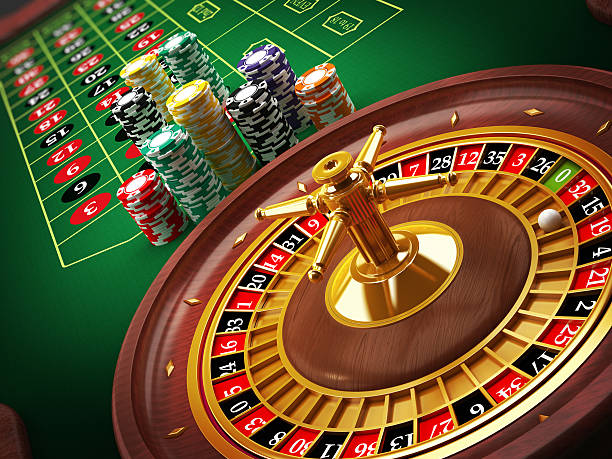
Furthermore, casinos are designed to amplify these psychological triggers. Through vibrant lights, engaging sounds, and an atmosphere of excitement, they create an environment that feels celebratory and rewarding. This strategic design not only entices players but also conditions them to associate gambling with positive emotions, further reinforcing their desire to play.
The Role of Cognitive Biases
Cognitive biases play a significant role in gambling behavior, often distorting a player’s perception of odds and probabilities. One common bias is the illusion of control, where gamblers believe they can influence the outcome of games of chance through skill or strategy. This misconception can lead to overconfidence, pushing players to bet more with the hope of winning against the odds.
Another prevalent bias is the gambler’s fallacy, which is the belief that past events influence future outcomes in random games. For example, a player might think that if a certain number hasn’t appeared in a slot machine, it is “due” to show up soon. These biases contribute to a cycle of behavior where players continue to gamble in the hopes of chasing losses or hitting a win, often overlooking the inherent randomness of the games they play.
The Impact of Emotions on Decision-Making
Understanding one’s emotions and their effects on gambling behavior is crucial for responsible gambling. Players who can recognize when their emotional state is influencing their decisions may take steps to mitigate potential losses, such as setting time limits or budget constraints. This self-awareness can foster a healthier gambling experience, emphasizing enjoyment over risk.
The Social Aspects of Gambling
Moreover, the communal environment of casinos fosters connections that can enhance the overall experience. This social aspect can mask the risks associated with gambling, as players may feel more inclined to take chances in the presence of friends and fellow gamblers, often leading to increased bets and irrational decision-making.